

Bug Note Episode 21: Insect Apocalypse Now
About the Episode
The number of insects in the world is trending downward, leading some to label this the “insect apocalypse.” On this episode of Bug Note, host Daniel Potter chats with Dr. Jason Cryan, NHMU’s Sarah B. George Executive Director and entomologist, about the data researchers are reporting — and how you can help on a local level! Listen to the podcast here or scroll down to watch the video version.
Bug Note is now available wherever you get your podcasts.
| Listen on Spotify | Listen on Apple | Listen on Amazon | Listen on iHeartRadio |
Insects are foundational to the world we know. Not only do they help with agricultural production by pollinating crops, but also, they serve vital roles within the food web, sustaining other organisms. Without insects, the world would be a very different place.
So, with recent studies tracking a steady decline in both insect populations and insect species, it’s sparking important conversations about how humans are influencing insect life and how each of us can help our bug friends.
If the idea of saving the world’s insects feels a bit overwhelming, you aren’t alone. But, like any global issue, starting with local efforts is a wonderful way to start making a difference. Cryan suggests three ways you can help the insects in your area.
First, limit your use of pesticides and herbicides. Instead, investigate organic ways of managing your environment that don’t rely on the harsh chemicals that put bugs at risk. This may feel less convenient, especially in the beginning, but it makes a big difference!
Second, choose native plants. As you’re landscaping your property and choosing trees, shrubs, and flowers, consider what is native to your area. Afterall, local insects are reliant on native plants.
Third, leave your yard a little bit wild. This won’t be everyone’s preference since some people prefer a neat property, but there’s a good reason to leave things a bit messy. When we trim things away, we reduce the number of habitats that bugs can live in. On the other hand, when we leave things a bit wild, insects have a variety of habitats to choose from — which helps with both population and diversity.
These actions might seem small, but to our wiggly, wild friends, they make a dramatic difference. Imagine if everyone in the world considered these suggestions when managing the environments around them! Suddenly, those individual efforts have pulled off a global change.
Bug Note on YouTube
Check out the extended conversation on YouTube. Be sure to like and subscribe to receive notice of upcoming episodes.
About Bug Note

Bug Note is hosted by Daniel Potter, a science writer who's also worked in the world of public radio for many years, and who loves fresh air and storytime. He's joined by Dr. Jason Cryan, NHMU’s Sarah B. George Executive Director and trained entomologist, and Christy Bills, NHMU's Invertebrate Collections Manager, as well as other bug-loving guests. Video production by Blank Space. The podcast is created in collaboration with the Natural History Museum of Utah, with the expertise and support of its scientific, philanthropic, marketing, and education teams. Special thanks to NHMU friend and insect enthusiast Ted Fridirici.
Authors
-

By Olivia Barney
Olivia serves as NHMU’s Marketing Copywriter/Coordinator, where she collaborates across departments to craft engaging stories that help bring groundbreaking research projects to life. She might be the Oxford comma’s number one fan.
-
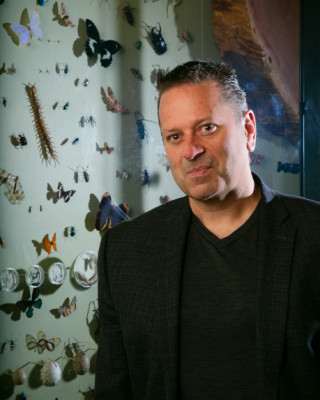
By Jason Cryan, Ph.D.
Areas of Expertise • Museum administration and leadership • Evolutionary biology • Entomology • Plant-feeding insects of the Order Hemiptera • Planthoppers, spittlebugs, treehoppers Background Jason Cryan, Ph.D., serves as the fourth executive director of the Natural History Museum of Utah. With its rich, 50-year history as the most important natural history museum in America’s...
-
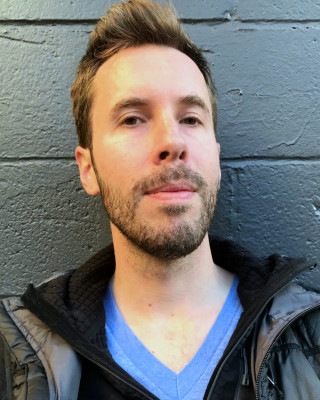
By Dan Potter
Daniel Potter is a science writer and audio producer based in Nashville, Tennessee. He's reported for Nashville Public Radio and KQED in San Francisco, and has appeared on Science Friday and PBS NewsHour. He's also written for the Monterey Bay Aquarium. Some of his writing appears in the 2023 book Bay Curious: Exploring the Hidden True Stories of the San Francisco Bay Area.


